Table of Contents
You have actually been being in that acquainted chair throughout from your specialist for weeks (perhaps months), sharing your deepest ideas and overcoming your battles. Whether you remain in talk therapy, couples therapy, or specialized injury therapy, you're probably asking the million-dollar concern: You're not the only one. Progression in treatment isn't always as apparent.
She has been in and out of treatment for years and sees it as important to development. Your therapist listens without judging you, and you feel secure sharing your ideas and feelings without holding back. They remember details from your previous sessionsnot simply the large points but the personal details that matter to you.
Your therapist gets all parts of who you are, including your culture, family members dynamics, and individual background. They understand exactly how these points shape what you experience and the difficulties you encounter. Depend on and safety are the foundation of efficient therapy. The bond in between you and your therapist (therapeutic partnership) is one of the toughest means to forecast if therapy will assist you expand.
Growth from Inner Critic to Sustainable Success
This shows up when you examine adverse thoughts in genuine time or acknowledge triggers prior to they totally ruin your day. Your dead spots, or the duplicated patterns of thinking or acting that you couldn't see previously, are lastly coming into focus. Possibly you're realizing you constantly think the most awful will certainly occur when you're worried, or you're beginning to see how your state of mind changes when you haven't consumed.
, whether that's establishing better limits, reducing anxiety, or enhancing communication skills. Even little steps count. Progression might look like lastly claiming no to extra job jobs, talking up in a conference when you disagree, or managing to have a difficult conversation without closing down.
How to Initiate Your Transformation Journey
You didn't inspect your ex-spouse's social media, overexplain yourself to your parents, or really did not right away say sorry when someone else was plainly wrong. You're beginning to think that change is possible and that your present battles do not need to last permanently. You can envision a future that looks different from your right currently, and you're thinking brand-new thoughts.
You're also beginning to see your own toughness and find out what matters most to you. You're believing about what sort of life you want to develop. This shift from feeling trapped by your conditions to pursuing change is a huge innovation. While therapy typically begins by helping decrease tough symptoms, it inevitably assists you develop the connections and life experiences you actually want.
Your Path in Treatment Healing Process
You leave sessions with understandings or methods instead than sensation totally shed., LMFT, LPCC.Some treatment sessions can be mentally requiring, like exactly how an excellent exercise can leave you physically tired but stronger.
This doesn't imply something is wrong, yet rather you're doing essential work. The distinction is that you feel supported throughout the procedure and trust fund that you're moving on at a speed that functions for you. claims treatment aided him challenge addiction, accept vulnerability, and unlock years of reduced emotion.
Poor days do not automatically transform right into poor weeks any longer. Possibly you still obtain caused by certain circumstances, however rather of being stuck for days, you can work via the feeling and relocate onward much more rapidly. You're developing more powerful emotional muscles.
Nervousness Shouldn't Constrain Your World
This shift is especially significant for anybody that has experienced trauma or challenging life occasions. The objective isn't to neglect what took place or pretend no matter, however to create a different connection with those experiences, one where you can recognize the pain without being consumed by it. You're really using what you discover in treatment in your reality.
Comprehending your patterns is simply the beginning. Change in connections requires time and method, yet that much deeper self-knowledge develops a structure for meaningful changes in how you get in touch with others. You're changing old, purposeless coping approaches with much healthier options. Whether it's doing what you can rather than overthinking, taking deep breaths when worried, or counting to 10 before reacting.
Instead of scrolling through social media when worried, you could take a walk or call a pal. Rather of repressing anger, you may participate in exercise, or practice deep breathing. Journaling for psychological health and wellness is an additional technique, but the trick is to locate coping methods that benefit your way of living and personality.
Physical Professional Therapy for perfectionism Offerings
Furthermore, try to be existing, limitation distractions, ask questions, and ask your specialist concerning your goals and progression every so often." Not every therapist is the best fit for every person, and that's all right. Trick indication include: Continually really feeling worse after sessionsNever discussing goals or treatment progressFeeling evaluated as opposed to sustained Ask on your own, "Am I being challenged in a helpful manner in which causes development?".
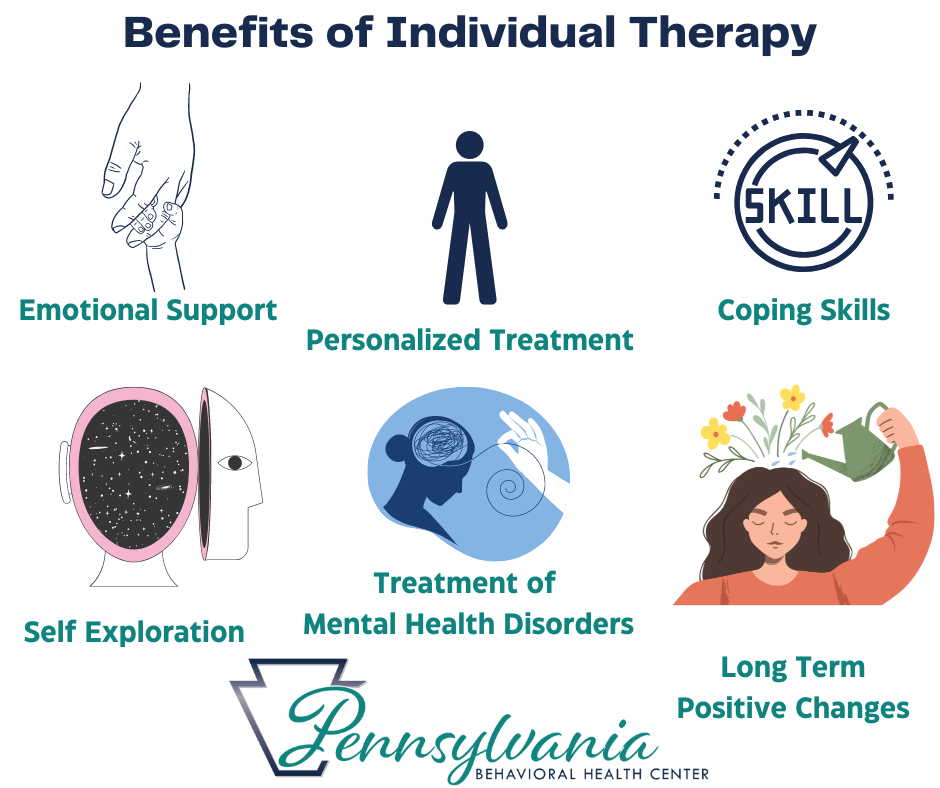
No two therapy journeys are the same. Everybody's course looks various relying on their reasons to visit therapy and the goals they're working toward. You can make progression mentally, psychologically, behaviorally, or, for some people, literally. When it's functioning, therapy can make you feel lighter or even more hopeful. You might discover your brand-new coping strategies are extra effective, your habits is altering, or your connections are boosting.

Navigation
Latest Posts
Finding Food Freedom By Resolving Traumatic Origins
Developing Resilience with Depression and Mood Therapy Focus
Lifestyle Tools Complementing Cognitive Behavioral Therapy