Table of Contents
Every person experiences despair in a different way. Your experience of despair and exactly how you cope with it will depend on different aspects. These might include your age, previous experiences with despair and your spiritual or religious sights.
Anticipatory sorrow suggests sensation sad prior to the loss takes place. As opposed to regreting for the person, who is still with you, you might feel pain for things you will not reach do together in the future. When facing a considerable loss, such as the death of a liked one, it is natural to really feel several strong emotions.
Individuals detected with an incurable illness and those encountering the fatality of a liked one may experience anticipatory pain., you might experience numerous emotions consisting of shock, fear and despair.
What to Look For in a Trauma Specialist Who Works with PTSD & Trauma Specialists
You regret shed possibilities or experiences you'll miss also little ones, such as the satisfaction of the sunshine or a warm mug of coffee. If someone you like is encountering an incurable illness, it is common to experience awaiting sorrow in the months, weeks and days before death. You could regret the very same points your loved one is mourning, or different losses entirely.
You might feel that the individual you recognized is already gone, also if they are still literally there. If your enjoyed one has a decrease in physical health and wellness or flexibility, you may feel anticipatory despair as you lose the opportunity to share experiences, such as pastimes, vacations or events.
This is particularly true if you spend a lot of time caring for the individual. You may miss tasks you used to take pleasure in together and really feel despair concerning the adjustment in your connection. The nature of your relationship may alter as you tackle a carer's function, or become the one being looked after.
Feelings of despair before fatality are typical it's crucial to identify them, and to chat concerning them. Experiencing awaiting pain doesn't necessarily mean that you will certainly regret your loved one any type of much less after they are gone.

In fact, we do not experience feelings of despair one at a time or in a specific order. You might experience these things due to the fact that they are all typical sensations of sorrow.
It's normal to really feel other points also, such as shock, anxiety, exhaustion, or regret. Some individuals really feel numb after the fatality of an individual they appreciated. They might even try to continue as though absolutely nothing has actually happened. If you experience this, maybe since it's simply too difficult to think that the individual you understand so well is not coming back.
The Power of Internal Family Systems in Working with Career Choices
Possibly they assure themselves that they will currently constantly do (or not do) something, believing that it could make the person who has died returned. Or possibly they believe it will stop anybody else passing away or other poor things occurring. This is often called 'wonderful reasoning'. People may likewise discover that they maintain returning over the past and ask great deals of 'what happens if' concerns, wanting that they can go back and transform things so that they can have turned out in a different way.
These feelings can be really extreme and unpleasant, and they might come and go over many months or years. A lot of people locate that agonizing feelings like this ended up being much less solid over time. If you do not feel this is the instance for you, after that you need to ask for help.
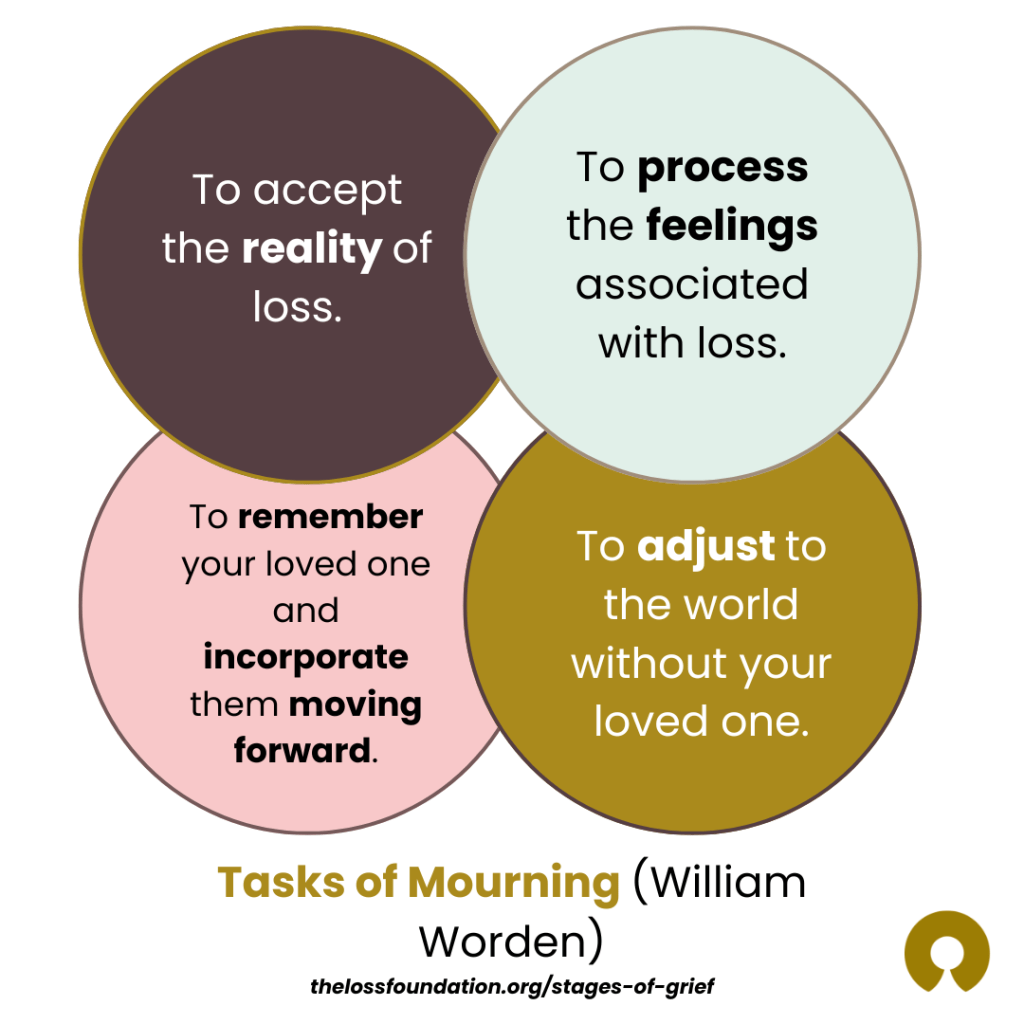
Her model came to be commonly accepted as a way to comprehend sorrow, yet gradually, grief counsellors and researchers broadened upon it, bring about the advancement of the. This extended version incorporates additional psychological reactions that people may experience: The first reaction to loss commonly brings shock and shock. This stage serves as a protective mechanism, allowing us to soak up the fact of our loss in convenient doses.
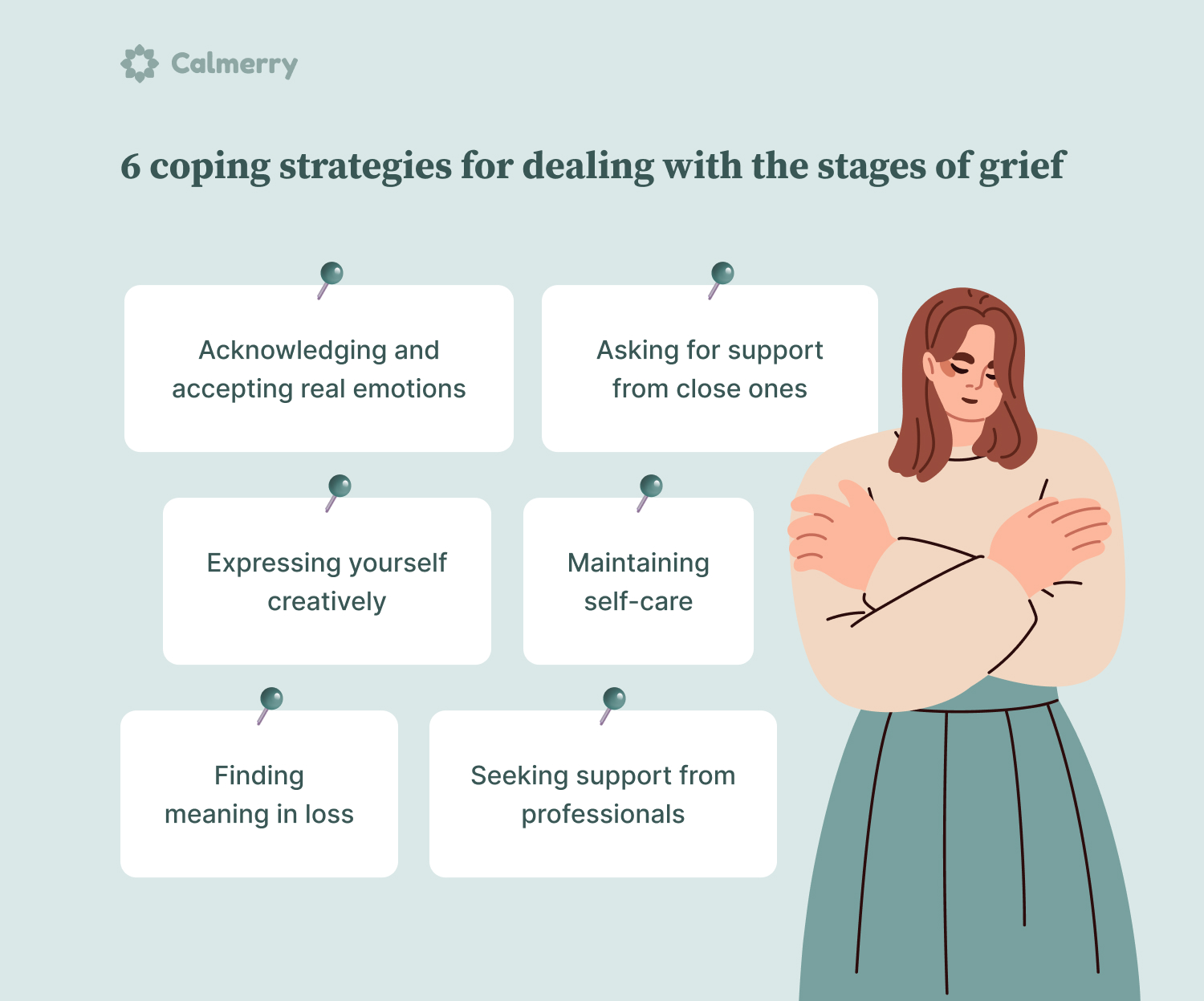
Feelings of regret or shame might arisewondering if you might have done something in different ways, or sensation sorrow over things left unspoken. Despair can show up as angertoward on your own, others, or also the person that has passed.

Navigation
Latest Posts
Vicarious Trauma in Medical Professionals
Understanding of Wellness Culture on Food Relationships
Getting Started in Multilingual Mental Health Support